
The automotive industry is becoming increasingly competitive as dealerships look for better ways to attract buyers, manage inquiries, and build long-term customer relationships. From new and used car dealerships to commercial vehicle sellers and multi-brand showrooms, managing customer interactions efficiently is essential for achieving consistent sales growth.
Traditional methods of tracking customer details, scheduling test drives, and following up with prospects can lead to missed opportunities and inconsistent communication. This is where CRM software for automotive dealers becomes a valuable solution. It helps dealerships centralize customer information, automate sales activities, monitor leads, and deliver a smoother buying experience.
What Is CRM Software for Automotive Dealers?
CRM software for automotive dealers is a digital platform designed to manage customer relationships throughout the vehicle purchasing journey. It allows dealerships to capture inquiries, maintain customer profiles, schedule appointments, track negotiations, and organize follow-up activities from one centralized system.
For example, when a potential buyer submits an inquiry about a particular car through a dealership website, the CRM can record the customer’s contact details, preferred model, budget, and purchase timeline. A sales representative can then follow up, arrange a test drive, and track the opportunity until the customer makes a purchasing decision.
Depending on the platform, automotive CRM solutions can also integrate with dealer management systems, marketing tools, inventory platforms, and service management applications.
Key Benefits of Automotive CRM Software
1. Better Lead Management
Automotive dealerships receive inquiries through websites, social media, online marketplaces, advertisements, and walk-in visits. Managing these leads manually can make it difficult to prioritize serious buyers and respond promptly.
CRM software brings leads together in one place and allows sales teams to categorize prospects according to vehicle preferences, budget, and buying stage.
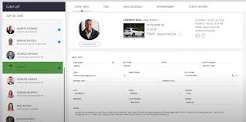
Automated assignments and follow-up reminders help ensure that inquiries receive appropriate attention. This organized approach can reduce missed opportunities and improve the likelihood of converting prospects into customers.
2. Faster Sales Processes
Vehicle purchases often involve multiple interactions, including product demonstrations, test drives, financing discussions, and negotiations. Without proper tracking, sales representatives may overlook important follow-ups.
CRM software for automotive dealers helps teams monitor every opportunity through the sales pipeline. Representatives can schedule test drives, record customer feedback, and track pending decisions.
Managers can review deal progress and identify delays, helping the dealership create a more efficient sales process.
3. Personalized Customer Experiences
Customers expect dealerships to understand their preferences and provide relevant recommendations. CRM systems maintain customer interaction histories, vehicle interests, previous purchases, and communication records.
Sales representatives can use this information to recommend suitable models, share relevant offers, and provide personalized assistance.
A more customer-focused approach builds trust and can encourage buyers to return when purchasing another vehicle.
4. Improved Marketing and Follow-Ups
Marketing plays an important role in attracting potential vehicle buyers. However, sending the same promotion to every customer may produce limited results.
CRM platforms allow dealerships to organize customers into groups based on their interests, purchase history, and engagement levels. Businesses can use these segments to share relevant promotional offers, new model announcements, and exchange or upgrade opportunities.
Automated reminders can also help sales teams reconnect with customers who have expressed interest but have not completed a purchase.
5. Stronger After-Sales Relationships
Customer relationships should continue after a vehicle is sold. Maintenance reminders, service appointments, warranty information, and customer feedback can all influence long-term satisfaction.
When connected with suitable service management systems, CRM software can help dealerships maintain after-sales communication and identify opportunities for repeat business.
Consistent engagement can encourage customers to return for servicing, accessories, upgrades, or future vehicle purchases.
Essential Features to Look For
When choosing CRM software for automotive dealers, consider features that support your dealership’s daily operations.
- Lead management: Capture and organize inquiries from multiple channels.
- Sales pipeline tracking: Monitor opportunities from initial inquiry to completed sale.
- Test-drive scheduling: Coordinate appointments and sales representative availability.
- Customer database: Maintain contact information, preferences, and interaction histories.
- Automated communication: Schedule reminders, follow-ups, and promotional messages.
- Performance reporting: Track lead conversion, sales activity, and representative performance.
- Inventory integration: Connect customer inquiries with available vehicles where supported.
- After-sales management: Coordinate service reminders and customer follow-ups through available integrations.
Selecting the right features helps dealerships improve productivity without adding unnecessary complexity.
How to Choose the Right Automotive CRM
Before selecting a CRM platform, evaluate your dealership’s size, sales volume, number of locations, and customer management requirements. A small used-car dealership may need basic lead tracking, while a large automotive group may require advanced reporting, multiple user roles, and integration with existing dealership systems.
Compare solutions based on usability, customization, pricing, mobile accessibility, and customer support. Request a demonstration to understand how the platform handles your actual sales workflow.
Training employees and maintaining accurate customer records are equally important for achieving the best results.
Conclusion
CRM software for automotive dealers helps dealerships manage leads more effectively, streamline sales activities, personalize customer communication, and strengthen after-sales relationships. By centralizing customer information and automating routine tasks, automotive businesses can improve sales visibility and deliver a better purchasing experience.
Choosing a CRM solution that matches your dealership’s needs can support stronger customer loyalty, improved team productivity, and sustainable business growth in the competitive automotive market.